Quote
Subtotal: $0

Views: 0 Author: Site Editor Publish Time: 2026-03-20 Origin: Site
Crystal figurines are small, bright objects—but they carry a lot of emotional value. Many customers buy Crystal Animals as gifts, collectibles, home décor, or meaningful keepsakes. And once you place one on a shelf or desk, you quickly realize something important: crystal is beautiful because it reflects light so sharply, but that same crisp clarity also makes scratches, fingerprints, and tiny chips easy to notice. A single rough wipe or one accidental bump against a hard surface can leave marks that feel permanent.
At CrystalLumi, we work with customers who want their crystal pieces to stay brilliant for years—not only on the first day. The good news is that preventing scratches and edge chipping is mostly about habits: the right cleaning method, safe placement, smart storage, and careful handling. In this guide, we’ll share practical care tips you can follow at home to keep your Crystal Animals looking clear, glossy, and elegant over time.
Crystal pieces often have:
sharp, faceted edges
polished surfaces that show marks easily
delicate details like ears, tails, wings, horns, or paws
Crystal can feel “hard,” but hardness does not mean immune to damage. Many scratches happen from:
wiping with rough cloth or paper tissue
contact with dust that contains tiny mineral particles
placing crystal on hard, gritty surfaces
sliding pieces across shelves instead of lifting
letting multiple pieces touch each other in storage
Edge chipping is usually caused by impact:
being knocked over
tapping against other décor
accidental drops during cleaning
tight storage where pieces press against each other
So the best care strategy is prevention first.
If you only adopt one habit to protect your Crystal Animals, let it be this: lift your figurines when moving them—don’t slide them across shelves or desks. Sliding is one of the fastest ways to create fine scratches, especially if there is dust or grit under the piece. Even when a shelf looks clean, tiny particles can still be present. When you drag crystal across those particles, the surface is essentially being rubbed against micro “sandpaper.”
A simple way to build this habit is to treat crystal like a camera lens: always assume there might be invisible dust nearby. When you want to adjust a display layout, use both hands, lift gently, and set the piece down again. This reduces friction-related scratches, protects the bottom surface, and also lowers the risk of edge chipping caused by accidental bumps during sliding.
If you have multiple Crystal Animals arranged together, lifting also helps avoid a common mistake: one piece “nudges” another while sliding, creating tiny chips at sharp corners or polished edges. Those chips are often small, but crystal’s clarity makes them easy to notice under light.
Crystal looks best when it catches light—so naturally people place Crystal Animals on shelves, window areas, coffee tables, or display cabinets. But the best display spot is not only about appearance; it should also reduce accidental contact.
Display your crystal figurine where it is less likely to be bumped:
away from shelf edges
away from narrow window ledges
away from high-traffic walkways
away from places where pets can jump
If your display is near a doorway, hallway, or busy living space, it increases the chance of vibration, accidental knocks, or contact during cleaning. If you love crystal décor on a table, consider placing it farther from the edge or using a display base so the piece feels “anchored.” For households with children or pets, higher shelves inside a cabinet can be a safer choice than open tabletop displays.
To protect both the crystal and the surface under it, we recommend:
a soft felt pad
a microfiber mat
a small display stand with a soft contact surface
A soft base reduces micro-scratches on the bottom and lowers the chance of chips caused by hard contact. It also helps prevent sliding if the surface is smooth. Another benefit many people overlook: a base reduces tiny vibration movement from footsteps or nearby door closing, which can cause crystal-on-crystal contact if pieces sit too close.
If you display multiple Crystal Animals together, leave a little space between them. When pieces touch, a small vibration or accidental bump can cause edge-to-edge contact and tiny chips. This is especially important for figurines with sharp corners or detailed points (ears, horns, tails, wings). A safe rule is to leave at least one finger-width of space between pieces so they don’t collide easily.
Cleaning is where most scratches happen—not because crystal is fragile, but because people use the wrong tools or apply too much pressure. The goal is always the same: remove dust and fingerprints without dragging grit across the surface.
Use a clean microfiber cloth
Use light pressure
Dust gently in one direction
Avoid paper towels, tissues, or rough cloth, which can create fine scratch lines. If the figurine has been sitting for a long time and looks dusty, don’t wipe aggressively right away. First, lightly “lift” dust off with a gentle pass. If the dust is heavy, consider using a soft brush (like a makeup brush or lens brush) to remove loose particles before wiping with microfiber.
If the crystal has fingerprints or smudges:
Use lukewarm water
Add a tiny amount of mild soap (optional)
Dip a soft microfiber cloth
Wipe gently (do not scrub)
Rinse quickly if needed
Dry completely with a clean microfiber cloth
Important: Drying is not optional. Water spots can reduce clarity, especially in detailed areas, and if water dries unevenly it can leave streaks that make the crystal look cloudy under light. For small crevices, use the corner of a microfiber cloth to reach inside, rather than using sharp tools.
abrasive cleaners
alcohol-heavy sprays applied directly to the crystal
scrubbing with high pressure
soaking for a long time
washing in a dishwasher
These methods increase risk of surface damage, residue buildup, and accidental impact. If you prefer a spray cleaner for convenience, spray onto the cloth first—not directly onto the crystal—to prevent liquid from pooling in details or seeping into display bases.
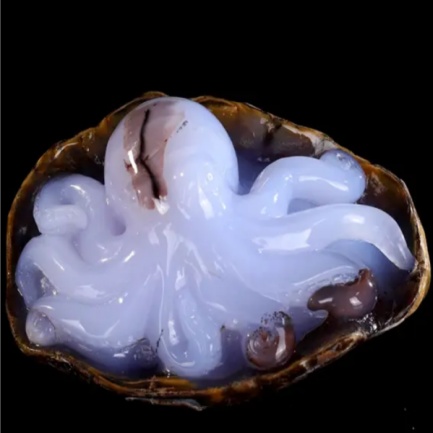
Many chips happen when people store crystal figurines in a drawer or box without protection.
wrap each crystal animal separately in a soft cloth
place in a box with soft padding
make sure pieces do not touch
keep heavier items away from crystal storage boxes
Use dividers or separate compartments. Even gentle contact between hard surfaces can lead to edge wear over time.
Risk situation | What damage it causes | Simple prevention tip |
Sliding on dusty surfaces | fine scratches | lift instead of slide |
Dry wiping with tissue | micro-scratch lines | use microfiber only |
Crowded shelf display | edge chipping from contact | leave space between pieces |
Cleaning near sink edge | drop and chip risk | use a towel and stable surface |
Loose drawer storage | chipping and rubbing | wrap individually and pad |
When possible, hold the figurine from the center body rather than thin details like tails or ears.
Place a folded towel on the table before handling. If the crystal slips, the towel reduces impact risk.
Metal rings and bracelets can accidentally hit crystal edges during cleaning.
Wet hands can reduce grip and increase drop risk.
Crystal décor is meant to last, and with the right habits, your Crystal Animals can stay brilliant for years. To prevent scratches, the key is gentle cleaning with microfiber, lifting instead of sliding, and avoiding abrasive contact. To prevent edge chipping, focus on stable placement, protective bases, careful handling, and safe padded storage—especially when moving or packing pieces.
If you’d like more Crystal Animals care guidance or want to explore crystal figurines designed for long-term brilliance, visit www.crystallumi.com to learn more. We’re always happy to help you choose, display, and care for crystal pieces that bring lasting beauty to your space.
Use a clean microfiber cloth for dusting. For fingerprints, use lukewarm water and gentle wiping, then dry completely.
Avoid sliding them on surfaces, keep shelves dust-free, and never wipe with paper towels or rough cloth.
Edges are the most vulnerable points. Small bumps against hard objects or other crystal pieces can create tiny chips.
Wrap each piece individually in soft cloth, pad the storage box, and keep pieces separated so they don’t touch.


